

May 21, 2026
UNESCO Chairs' Roundtable "Practices of preserving native language and cultures from an early age" during the Year of unity of the peoples of Russia and the Year of preschool education in the Russian education system
Thematic roundtable of UNESCO chairs "Practices of preserving native languages and cultures from an early age," was held on May 20, 2026, as part of the events of the Year of unity of the peoples of Russia and the Year of preschool education in the Russian education system, during the Days of Slavic Writing and Culture at Moscow Pedagogical State University.
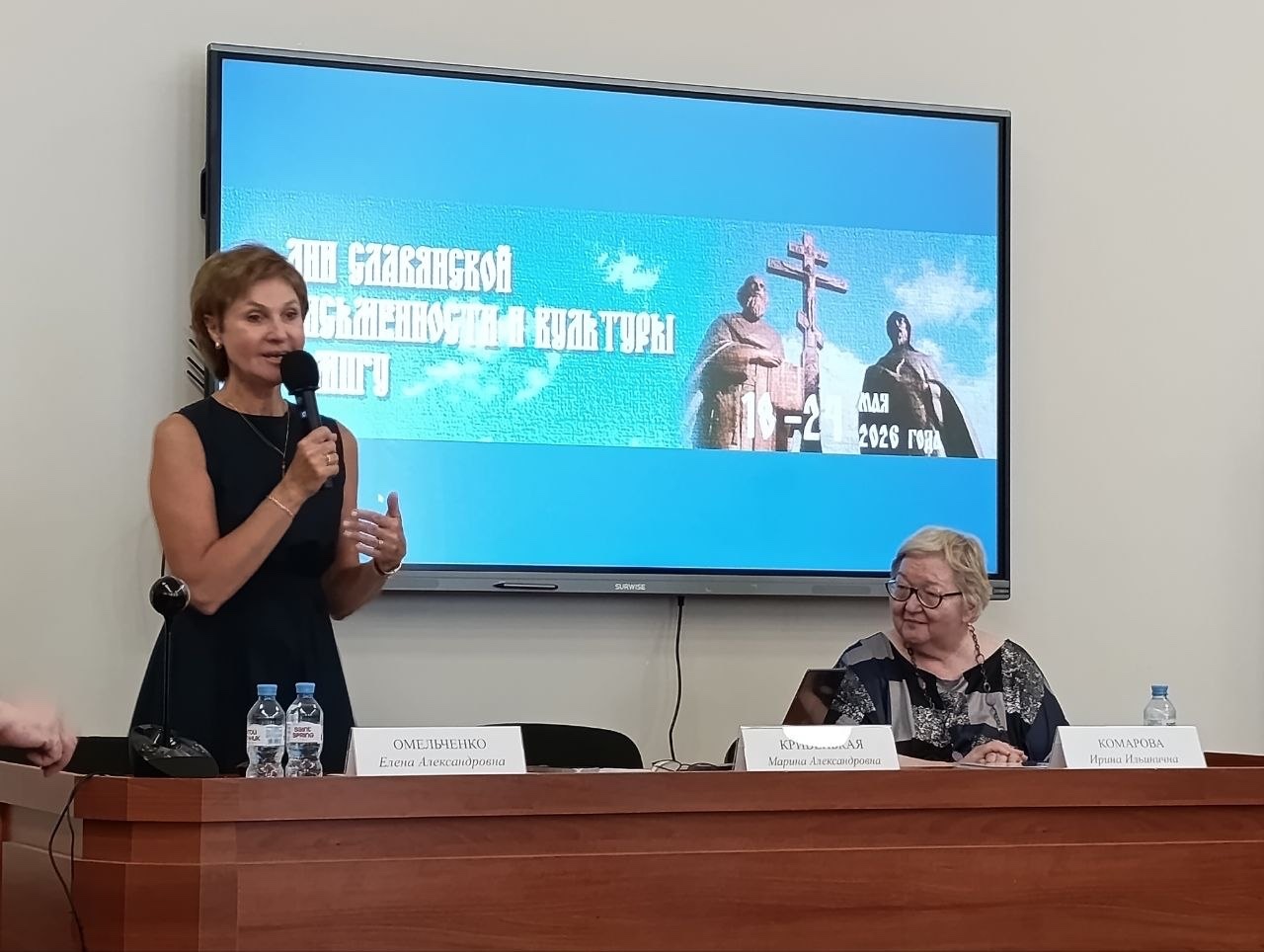
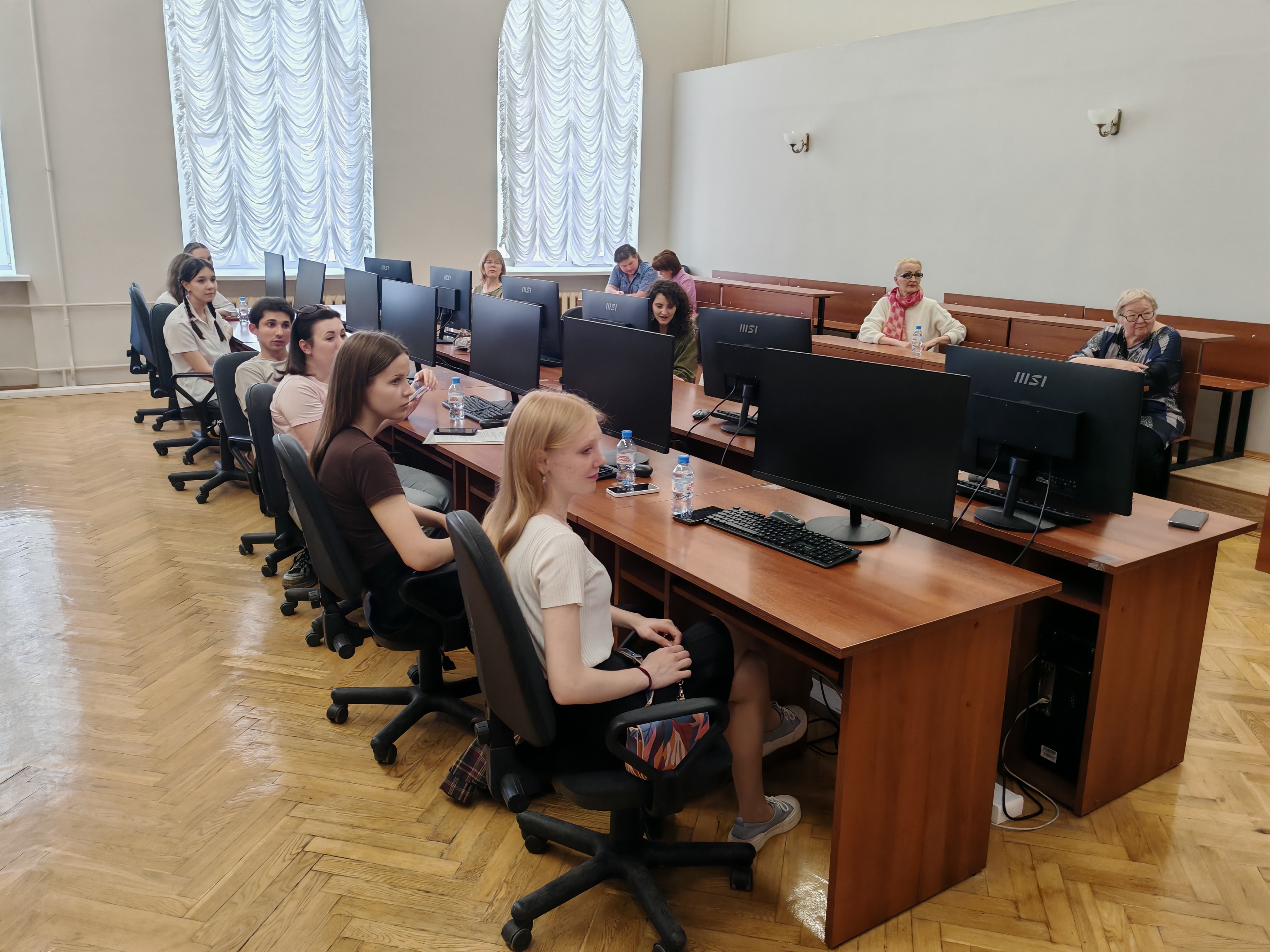
The roundtable was organized as part of the UNITWIN network collaboration between the MPSU UNESCO Chair "International education and the integration of migrants" and the UNESCO Chair "Early Childhood Education and Development"of the International Pedagogical Academy of Preschool Education , with the support of the Eurasian Association of Pedagogical Universities, the International Pedagogical Society in Support of the Russian Language, and the Department of Religious Education of the Moscow City Diocese.
The roundtable discussed the preservation and study of native languages from an early age, the development and promotion of interest in native culture and traditions through education and close family interaction, and practices for fostering civic identity in a multinational school setting, with an emphasis on the experiences of preschool educational institutions in Russia and other countries, including Slavic countries.
The first half of the event featured introductory presentations. Mrs. Tatyana Avdulova, PhD in Psychology, Professor in the Department of developmental psychology of the Faculty of preschool pedagogy and psychology at MPGU, presented on "Language as a system for developing civic identity in preschool," in which she emphasized the importance of the native language for personality development and discussed the basic principles of speech development with preschool-aged children.
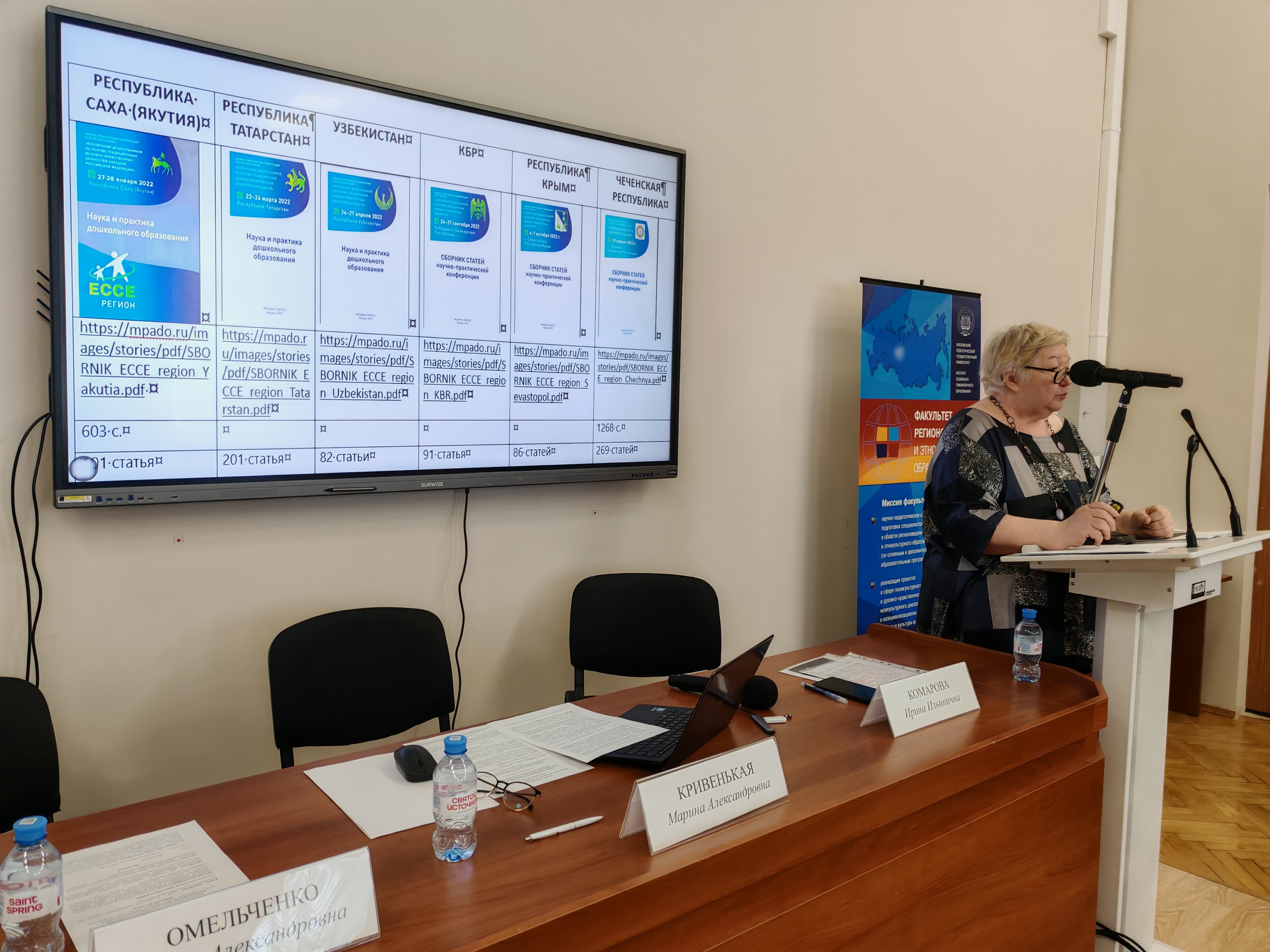
Mrs. Irina Komarova, PhD in History, Vice-Rector for Research at the International Pedagogical Academy of Preschool Education (MPADO), expert at the UNESCO Chair on Early childhood education and development, academician of the Russian Municipal Academy, and member of the working group on the development of the information society in Russia of the Russian Public Chamber, spoke about the experience of kindergartens in six Russian regions in preserving their native languages, presenting the results of a large-scale field study conducted by the Academy. She also introduced the audience to the book "Conversation Under Blooming Linden Trees," which shows how to discuss spiritual and moral issues with preschool and primary school children, along with a collection of articles by educators from ethnic regions.
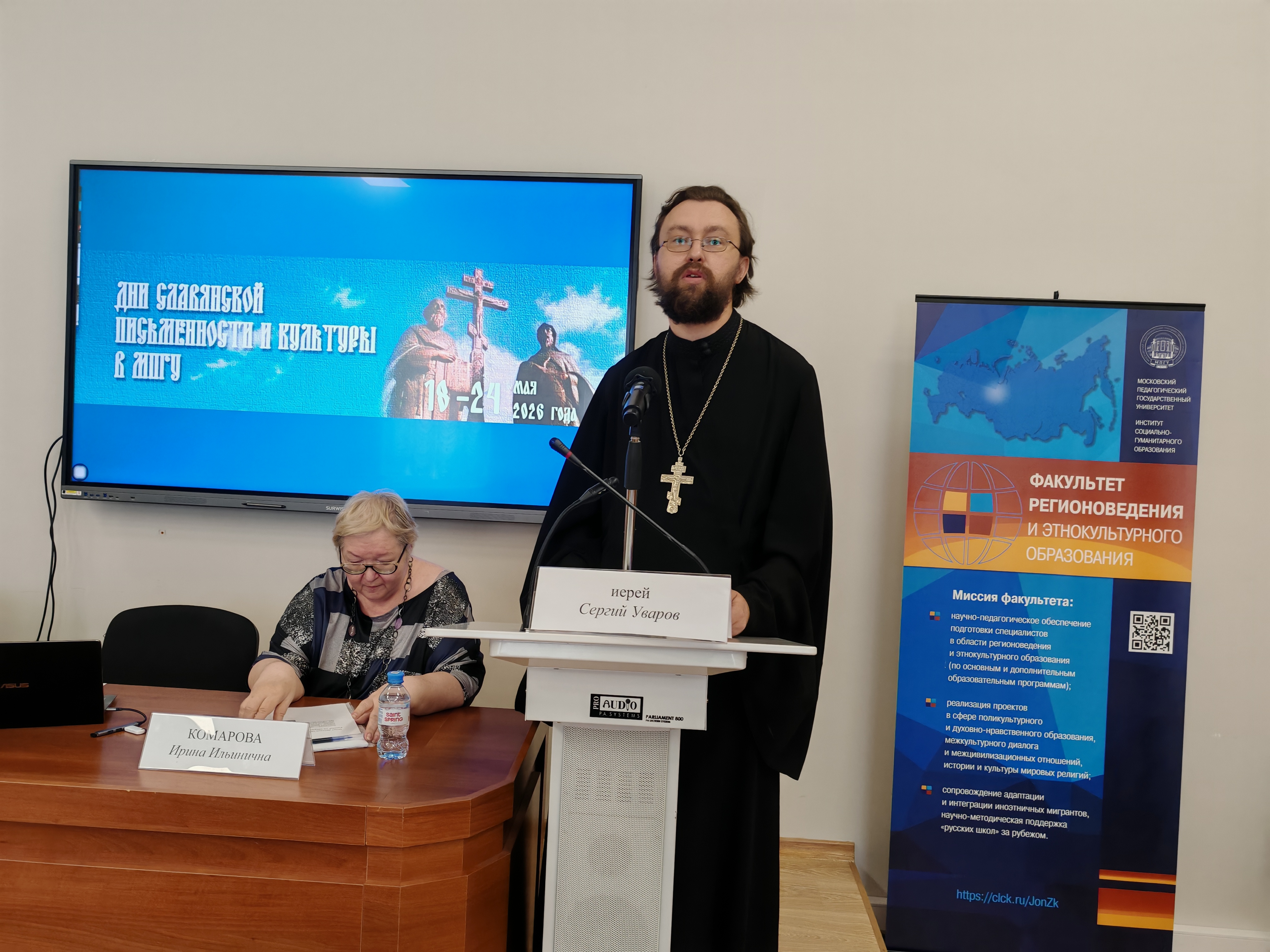
Priest Sergiy Uvarov, Master of Theology, spiritual trustee of the OAO "Lyceum of Spiritual Culture in the Name of St. Father Seraphim of Sarov, a cleric of the Church of the Kazan (Peschanskaya) Icon of the Mother of God in Izmailovo, Moscow, delivered a presentation on "Teaching Church Slavonic in Sunday School as a Tool for the Early Formation of Cultural Identity." The priest emphasized the cohesive role of Church Slavonic in ancient Russian society, which played a crucial role in unifying the country during the period of feudal fragmentation. Currently, only the Orthodox education system (Sunday schools, Orthodox gymnasiums) offers the opportunity to regularly study Church Slavonic, which has enormous spiritual and moral potential.
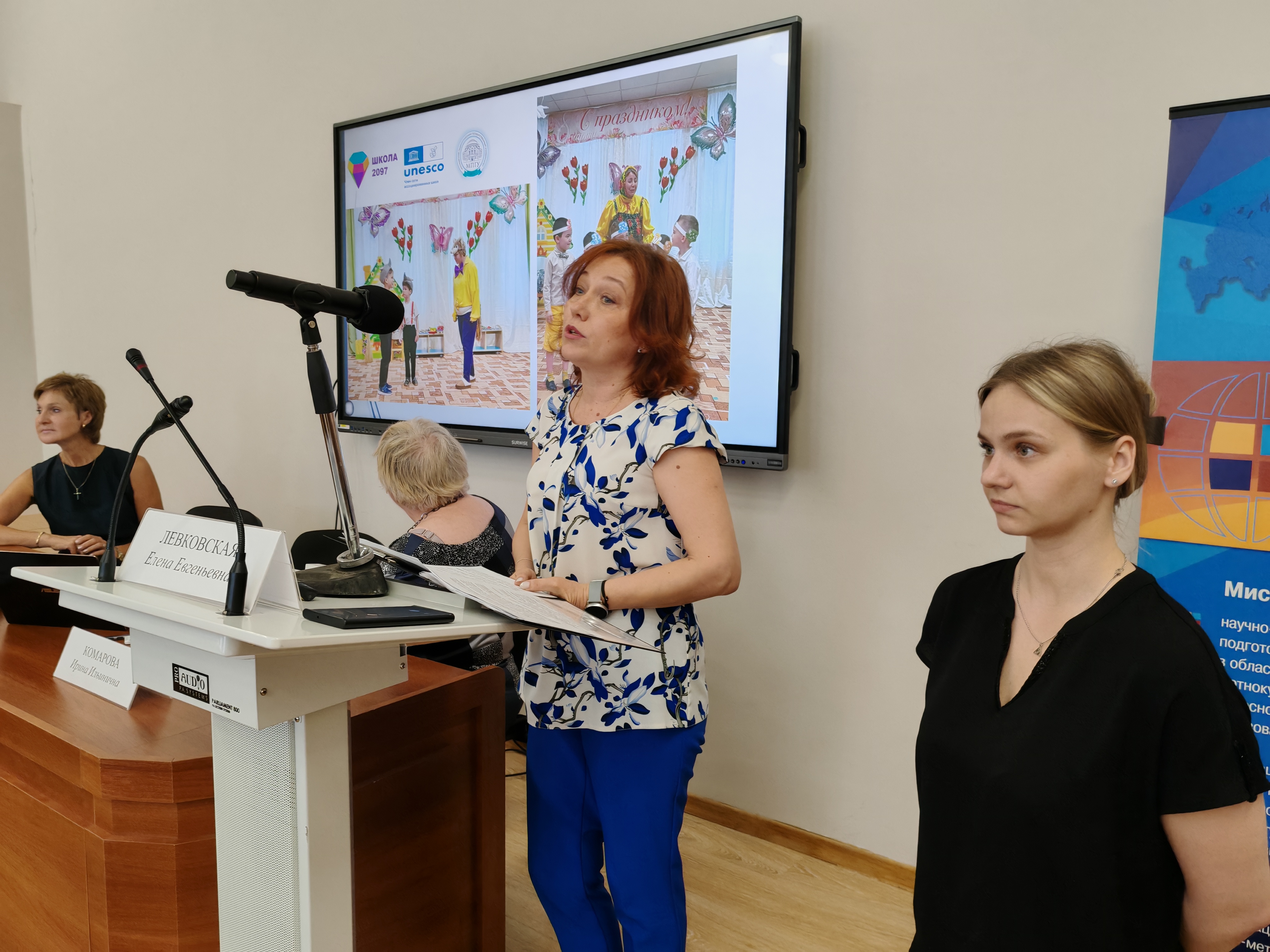
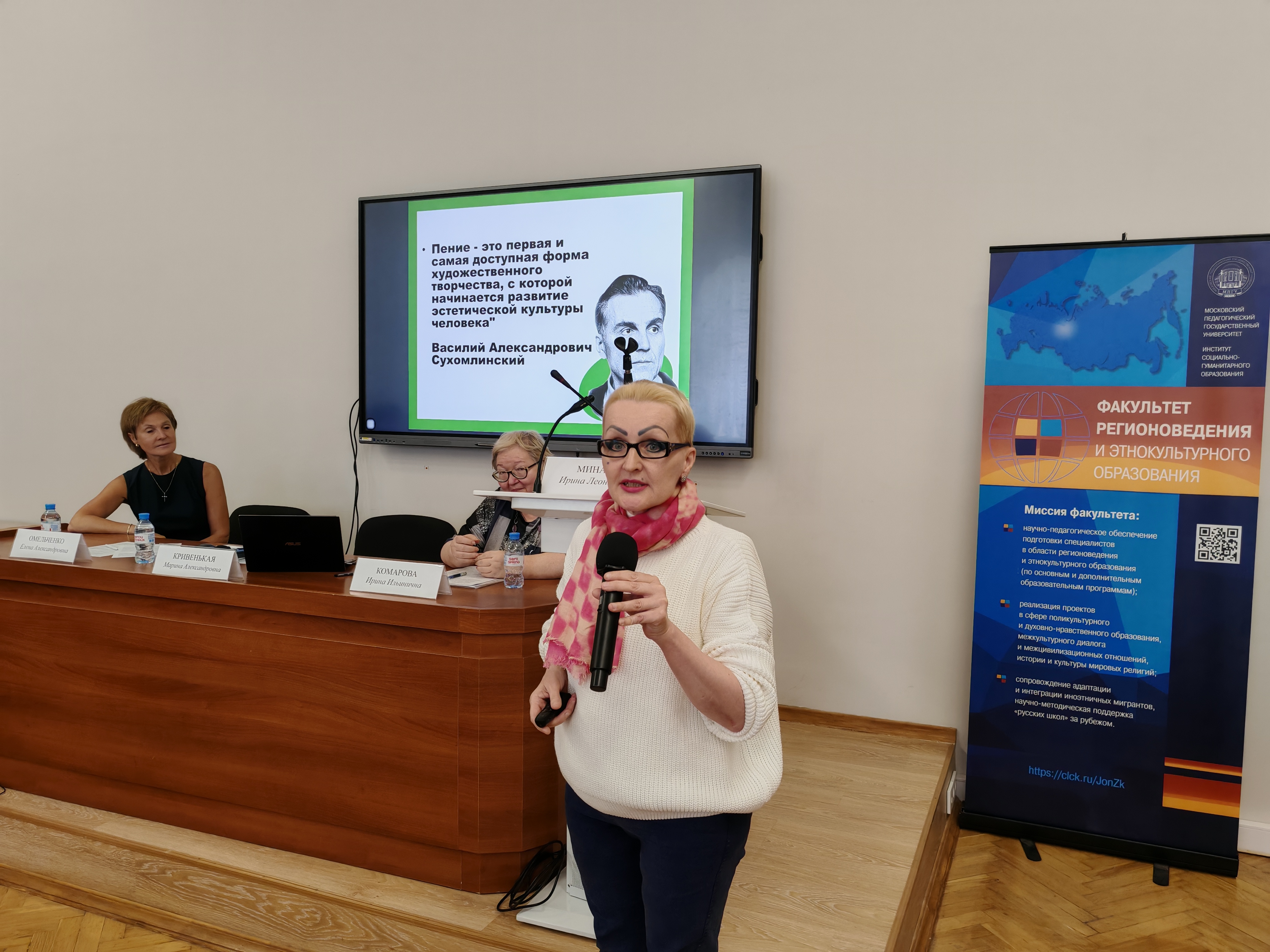
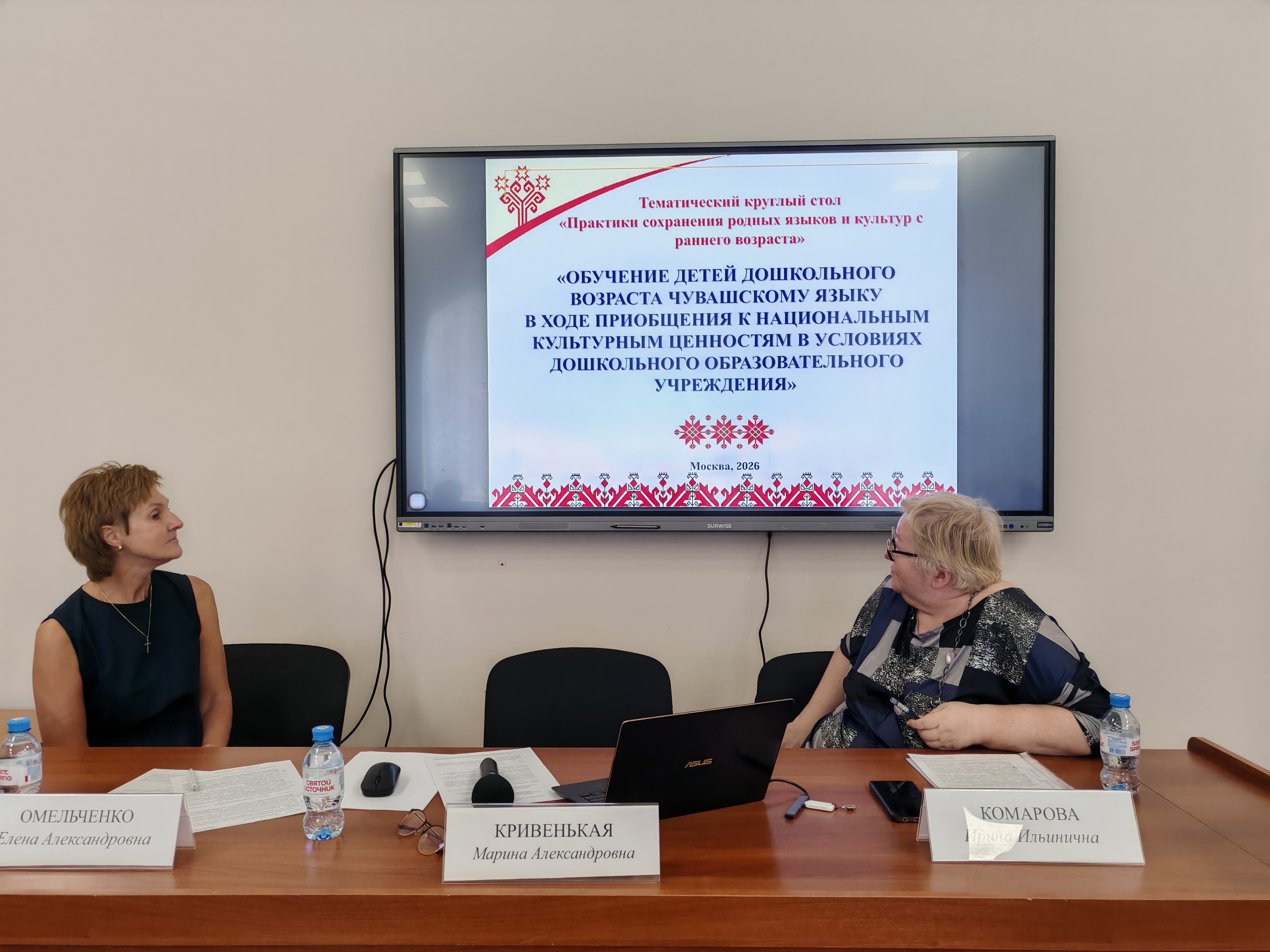
Educators from a number of educational institutions in Moscow, other regions of the Russian Federation, and the Republic of Belarus presented their practices in teaching and preserving native languages. Mrs. Elena Levkovskaya and Mrs. Ekaterina Ozerova, teachers at Moscow's School No. 2097, presented on "The Practice of Studying and Preserving Native Language and Culture from an Early Age" through the development of traditions, ethnopedagogy methods, folk games, and dances. Mrs. Irina Minaeva, a teacher at the School of Natural Voice and a master's student at MPGU, presented her experience introducing preschool children to Russian cultural heritage through fostering song culture. Mrs. Lyubov Gordeeva, senior teacher at Kindergarten No. 47 in Novocheboksarsk, Chuvashia Republic, presented her institution's experience on "Teaching Preschool Children the Chuvash Language and Introducing National Cultural Values in a Preschool Educational Institution." Mrs. Olga Romanova, Deputy Director of Moscow School No. 1354 Vector, spoke about how to organize a "Russian Language Festival in Kindergarten." This festive theme concluded the roundtable, which served as a useful platform for sharing experiences for all participants, especially for the students learning preschool pedagogy and psychology.
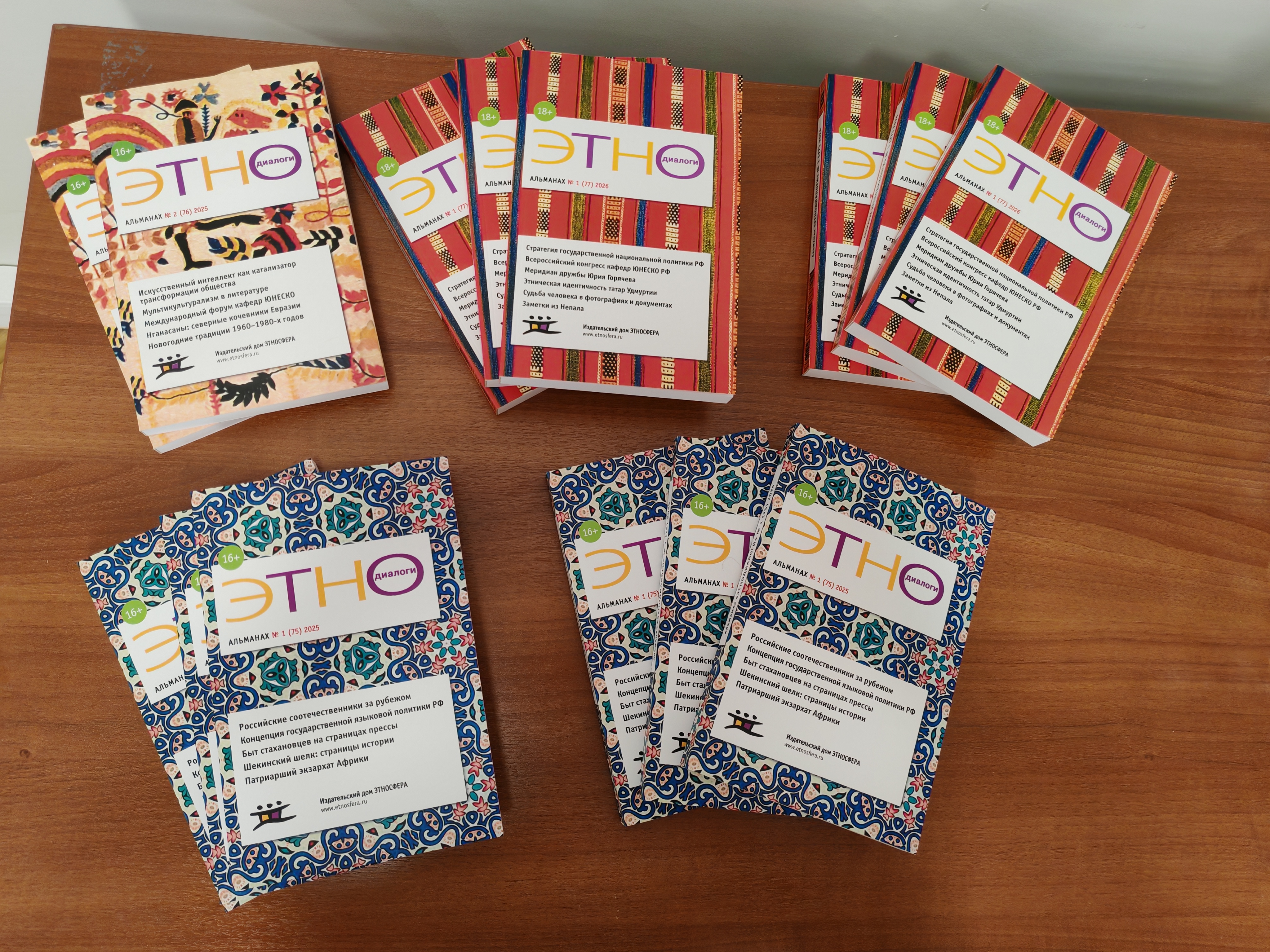
Closing the event, the roundtable moderator, Mrs. Marina Krivenkaya, PhD in Linguistics, Director of the Center for Regional Studies and Humanitarian-Educational Cooperation, Coordinator and Ass. Professor of the UNESCO Chair at MPSU, thanked all participants and invited everyone to publish their materials in the "Ethnodialogues" Information and analytical almanac.