

December 11, 2025
The 17th International seminar of the cycle "Dialogue of Civilizations and CrossCultural Cooperation" was held at the Moscow Pedagogical State University
On December 8–10, 2025, the 17th International Seminar of the cycle "Dialogue of Civilizations and Cross-Cultural Cooperation" was held at the Moscow Pedagogical State University (MPGU). The Seminar was held within the Year of the 80th anniversary of the Victory in the Great Patriotic War, the end of World War II, and within the framework of events celebrating the 80th anniversary of the United Nations and UNESCO.
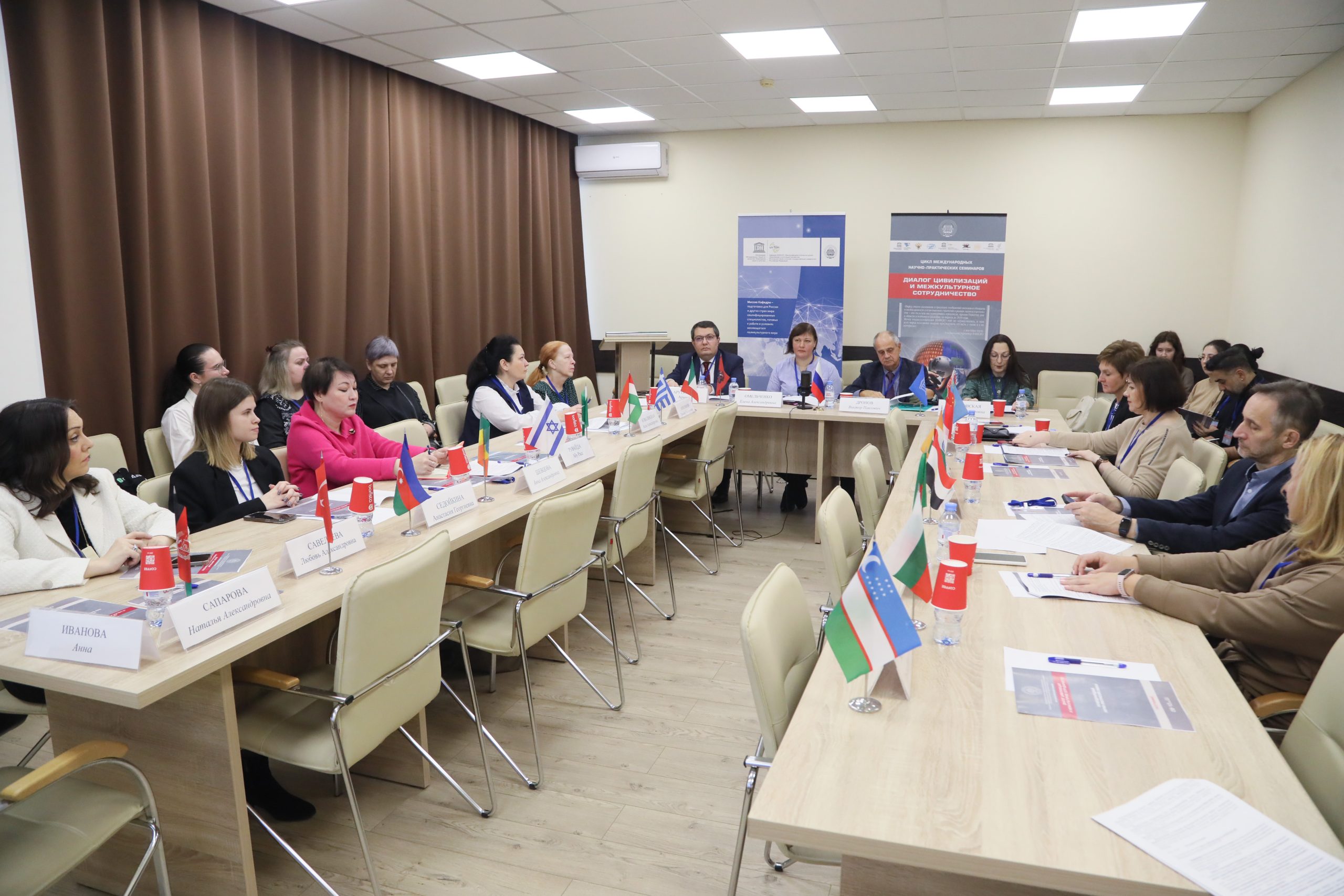
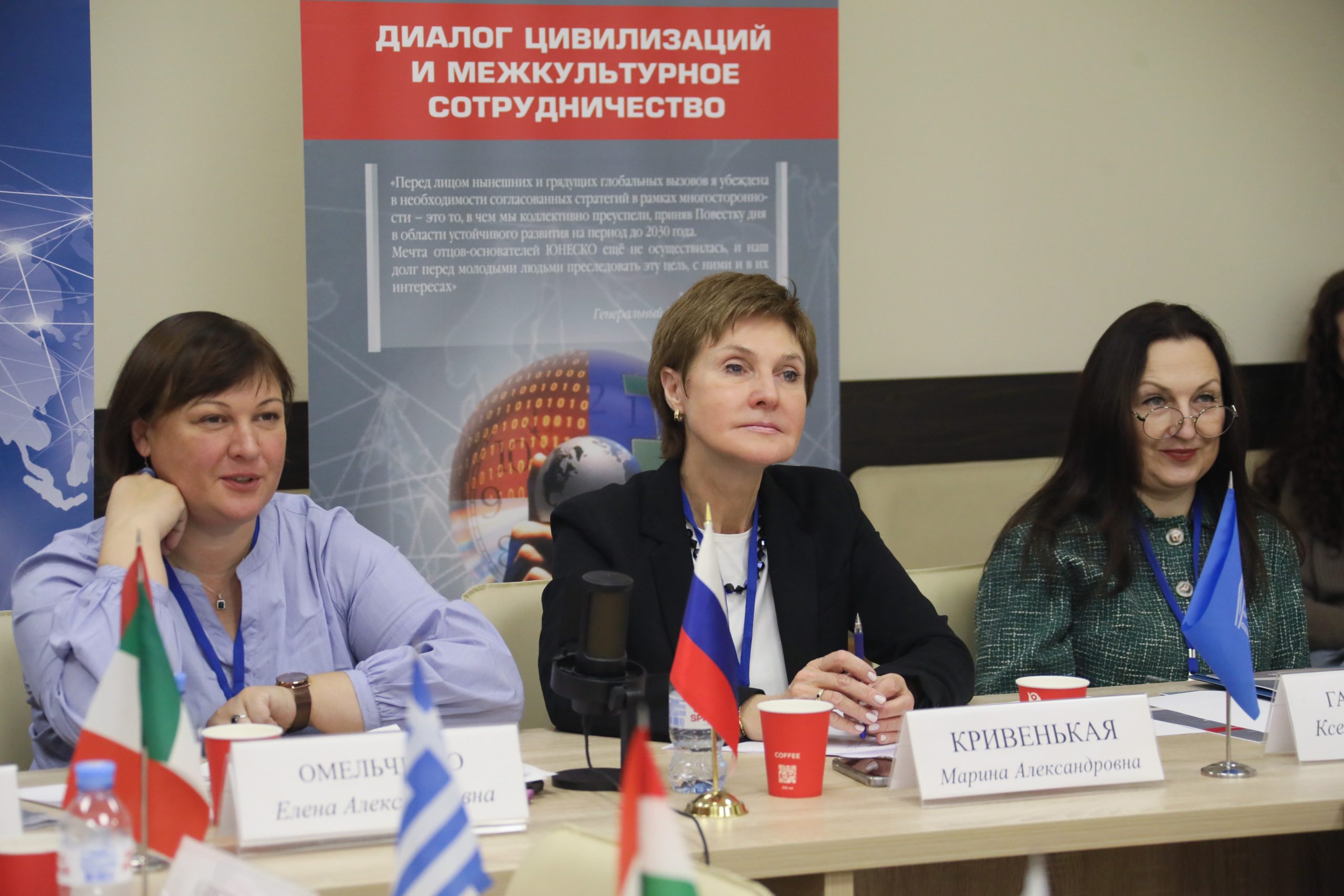
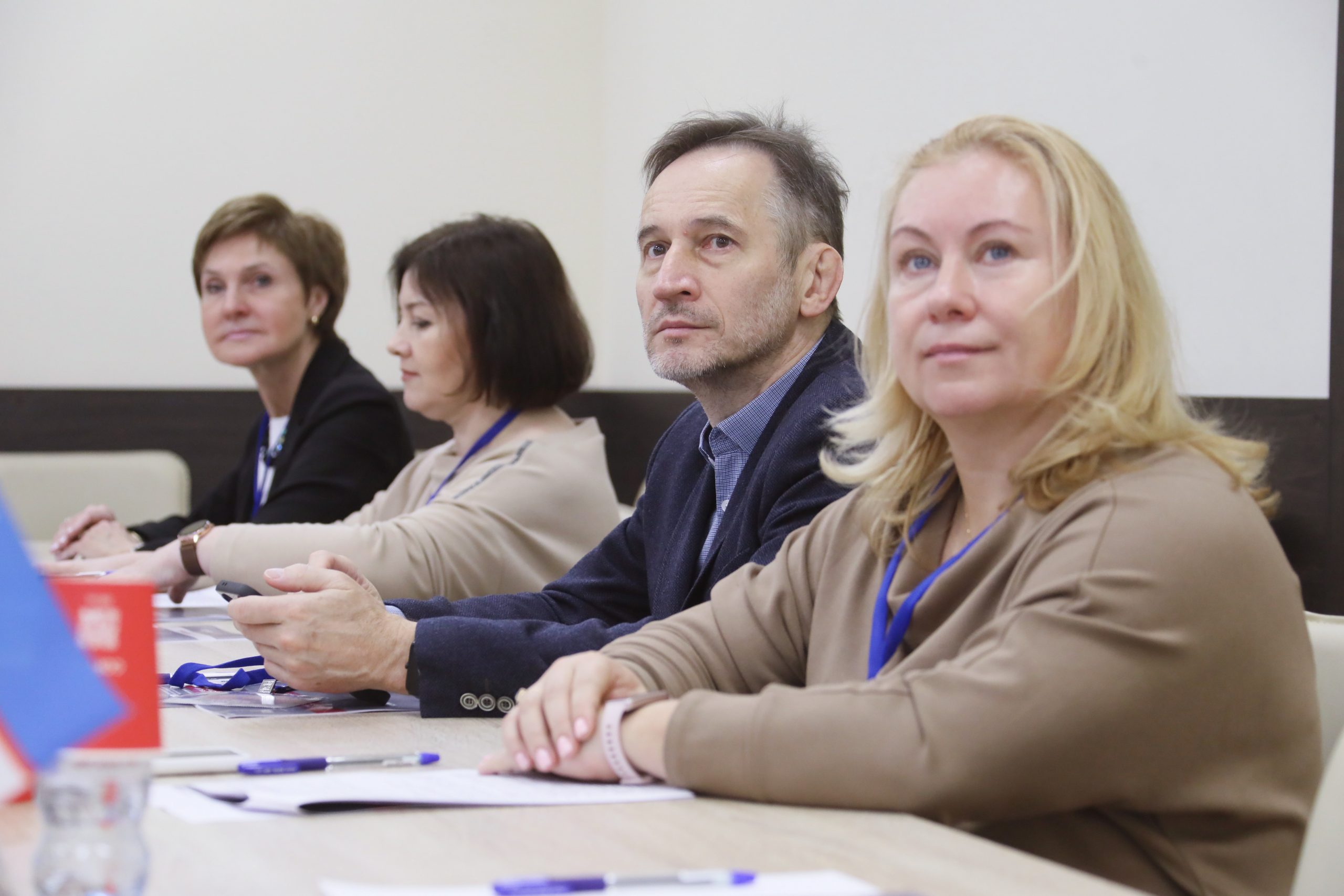
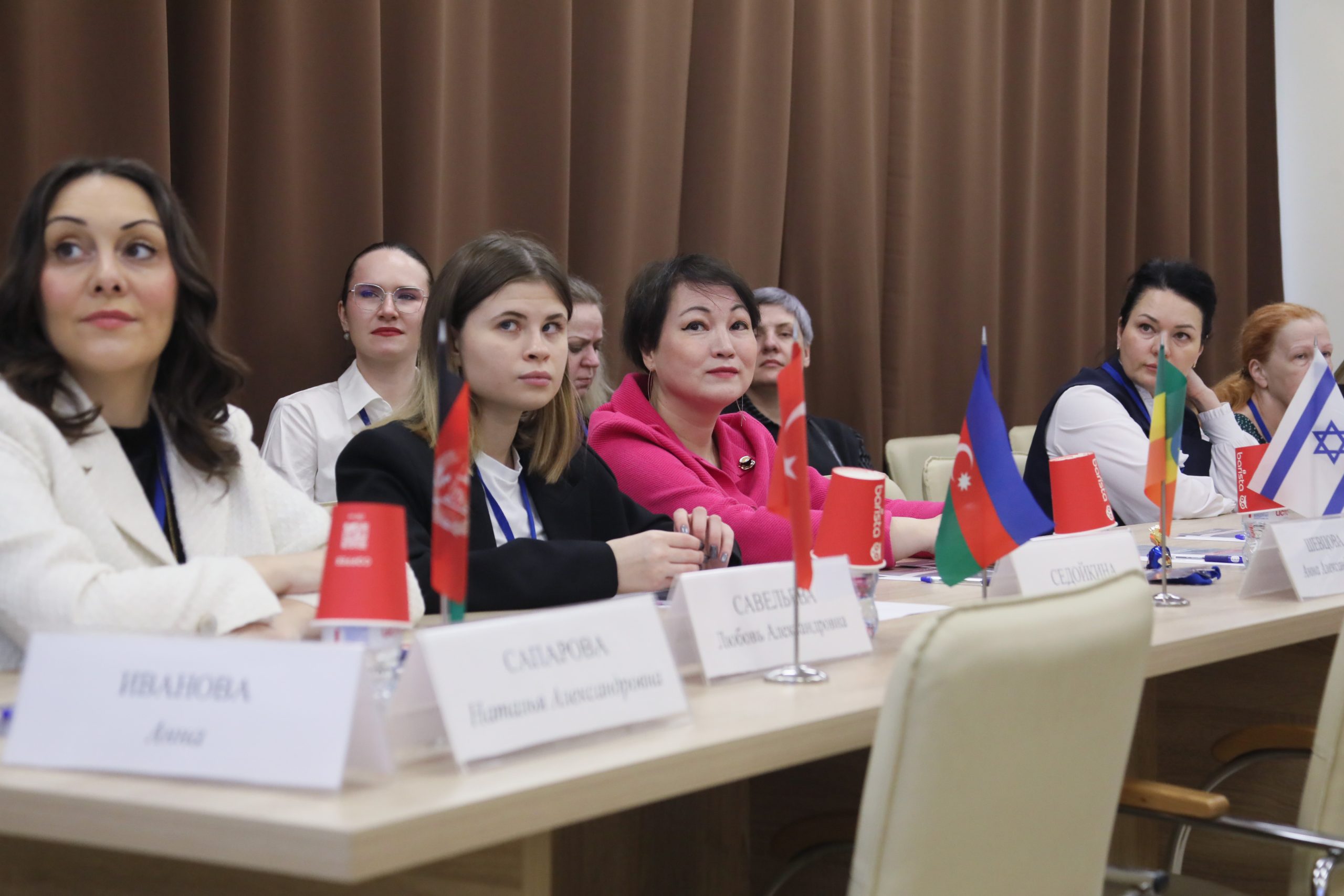
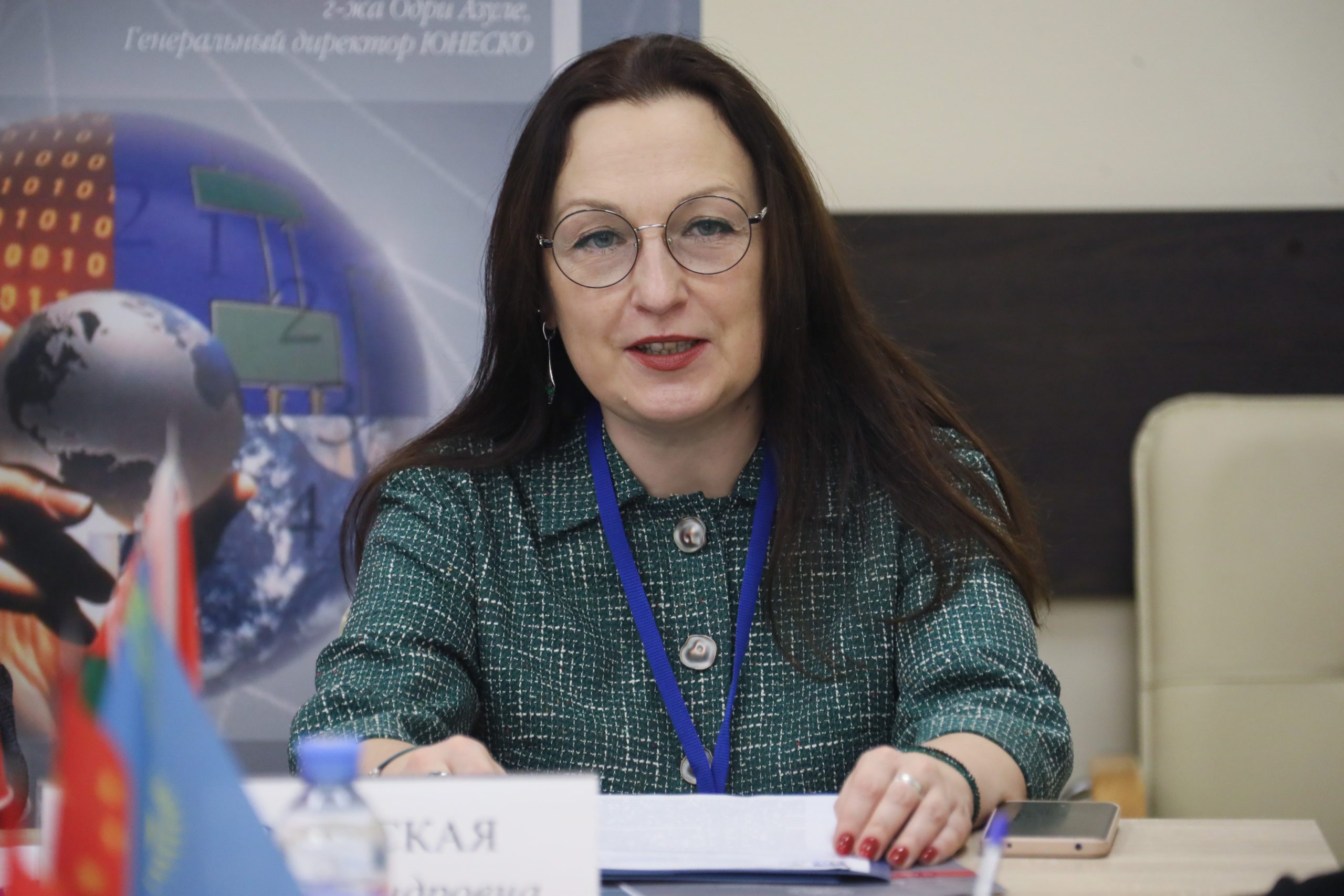
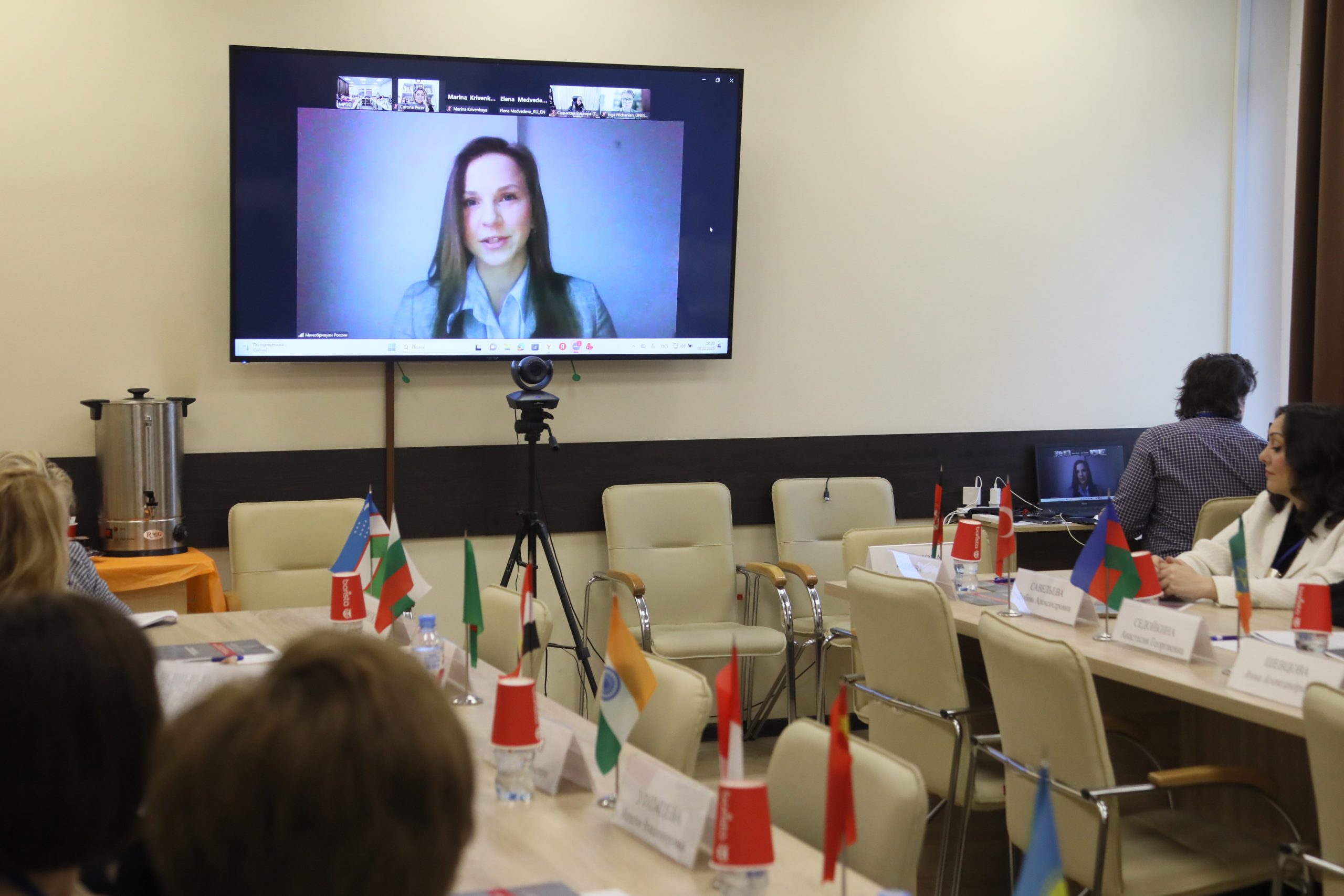
On December 8–10, 2025, the 17th International Seminar of the cycle "Dialogue of Civilizations and Cross-Cultural Cooperation" was held at the Moscow Pedagogical State University (MPGU). The Seminar was held within the Year of the 80th anniversary of the Victory in the Great Patriotic War, the end of World War II, and within the framework of events celebrating the 80th anniversary of the United Nations and UNESCO.
The seminar was organized by the Moscow Pedagogical State University (UNESCO Chair “International education and the integration of migrants” and the Faculty of Regional Studies and Ethnocultural Education). The seminar activities were traditionally prepared with support of the Secretariat of the Commission of the Russian Federation for UNESCO, the Eurasian Association of Pedagogical Universities, the International Pedagogical Society in Support of Russian Language, the Council for Nationalities affiliated by the Moscow Government and in cooperation with the Coordination Committee of UNESCO Chairs in the Russian Federation, International Association of Teachers of the Russian Language and Literature (MAPRYAL), the International Council of Russian Compatriots, the UNITWIN/UNESCO Chairs Network, and the UNESCO Associated Schools Network. The strategic partner of the MPGU UNESCO Chair is the Autonomous Nonprofit Organization Center for Promotion of Interethnic Education "Etnosfera".
This year, the seminar was attended by over 150 representatives of educational authorities and educational institutions of general, professional, higher and continuing education from 13 regions of Russia and 22 foreign countries (Afghanistan, Armenia, Azerbaijan, Bangladesh, Belarus, Bulgaria, China, Egypt, Ethiopia, France, Greece, Hungary, India, Indonesia, Israel, Italy, Pakistan, Poland, Serbia, Sierra Leone, Syria, Turkey). Among the active participants were representatives from public organizations, scholars, experts, teachers, senior officials – members of the International Pedagogical Society in Support of Russian language and a number of partner organizations interested in the development of cultural and educational cooperation and discussion of joint projects in Russian language education. In addition to the traditional partners of the Chair and the University, the seminar audience was significantly enlarged by new participants – representatives of UNESCO Chairs and various partner organizations from the BRICS countries and the Global South, including African countries. Numerous participants expressed their intention to establish a more stable relationship of the inter–university cooperation network.
The subject matter of the seminar included a wide range of issues: potential of scientific knowledge and education for sustainable development in a multipolar world; right to education for all; role of the teacher and educator in society; support of the Russian language and education in Russian in the world; ethnocultural education and intercultural competence of educational process participants; interethnic and interreligious relations in education; adaptation and integration of migrants by means of education; civic education and awareness; digitalization and humanization of education.
At the opening of the seminar Professor Alexey Lubkov, Head of the UNESCO Chair "International education and the integration of migrants", noted: "The current seminar, remaining a unique platform for a cross-cultural dialogue focused on broad educational cooperation, is acquiring particular relevance nowadays... it is a platform where the future of humanitarian interaction is being born, the future based on the principles of multipolarity, cultural sovereignty, and respect for the world historical heritage".
It is encouraging that the opening of the seminar was attended by the leaders and key figures of the main strategic partners of the MPGU UNESCO Chair. The importance of the seminar's subject matter was highlighted in the welcoming addresses from the Ministry of Education and the Ministry of Science and Higher Education of the Russian Federation. In her speech, Ms. Alla Kovalinskaya, Deputy Head of the Department for Cooperation with Countries of Africa, Latin America and International Organizations at the Department for Integration of the National Education System and International Cooperation at the Ministry of Education, once again underscored the importance of cooperation with countries of the Global South that MPGU, and the UNESCO Chair in particular, is consistently trying to establish. Ms. Valeria Sidorenko, Counselor to the Department of International Cooperation of the Russian Ministry of Science and Higher Education of the Russian Federation, noted in her welcoming speech that UNESCO Chairs are centers of innovation and best practices, and that the seminar is therefore a perfect platform for sharing best experiences that are able to adapt to a rapidly changing world.
The seminar was particularly supported by the Head of Rossotrudnichestvo, Mr. Evgeny Primakov. In his welcoming address, he stated that "strengthening educational ties between Russia and the rest of the world is a key to building a unified cultural and civilizational space on the path to establishing a just, multipolar world order." In her speech at the opening of the seminar, Ms. Svetlana Rybushkina, Head of the Department of Education and Science at Rossotrudnichestvo, emphasized the interest in the projects of Moscow Pedagogical State University that is growing internationally. It is a great merit of all those who contribute to the internationalization of Russian education and support education in Russian language abroad – the area that MPGU is constantly paying attention to.
This year marks another important milestone in the partnership of the MPGU UNESCO Chair and the Organization. It was not long before the seminar that the notification arrived from the Headquarters about the renewal of the Chair's UNESCO status. Ms. Inga Nichanian, Coordinator of the UNITWIN/UNESCO Chairs Programme and representative of the Future of Learning and Innovation Division of the Higher Education Sector at UNESCO Headquarters, felicitated the Rector of MPGU and the UNESCO Chair on the matter. She noted that there are currently 1,100 UNESCO Chairs in 130 countries worldwide, and the MPGU UNESCO Chair is one of the most active in the field of intercultural education. "Cross-cultural cooperation and dialogue of civilizations remind us of our collective responsibility for fulfilling the important task of creating peaceful and inclusive societies," Inga noted.
The welcoming address from Mr. Alexander Alimov, Director of the Department for Multilateral Humanitarian Cooperation and Cultural Relations at the Russian Ministry of Foreign Affairs and Executive Secretary of the Commission of the Russian Federation for UNESCO, emphasized the particular significance of humanitarian and educational cooperation through the UNESCO network, as well as the collaboration of the academic community through the UNITWIN network. Addressing the seminar participants, Ms. Ksenia Gaverdovskaya, Senior Counselor to the Secretariat of the Commission of the Russian Federation for UNESCO at the Russian Ministry of Foreign Affairs, emphasized that the seminars of the cycle "Dialogue of Civilizations and Cross-Cultural Cooperation" provide significant opportunities for developing the spirit of co-creation and engagement in all those involved in the researches in the fields of intercultural education and pedagogy.
It is encouraging that the seminar has, among the network of Russian UNESCO Chairs, a reputation of a successful international project serving as an open platform for dialogue among partners of the UNESCO educational networks. Mr. Ivan Lobanov, Chairman of the Coordination Committee of UNESCO Chairs of Russia and Rector of the Plekhanov Russian University of Economics, emphasized in his welcome words that "the seminar at the Moscow Pedagogical State University is a well-established and credible platform bringing together scholars, educators, experts, and representatives of educational organizations from Russia and abroad. Here we see how new ideas are born, new partnerships established, and professional solutions to the challenges that modern education faces today are found."
Ms. Nella Pruss, National Coordinator of the UNESCO Associated Schools network in Russia, expressed her unchanging support for the projects of Moscow Pedagogical State University's UNESCO Chair. In her welcome speech she emphasized the particular importance of educating younger generations in the spirit of interethnic harmony and highlighted the role that the partnership between schools and universities play in the UNITWIN network in the area of teacher training, focusing in particular on instilling into minds of young people a sense of responsibility for their country and the world.
The welcome address of Mr. Armen Harutyunyan, Head of the United Nations High Commissioner for Refugees (UNHCR) Representative in the Russian Federation, was of particular importance to this year's seminar participants. The MPGU UNESCO Chair and the Autonomous Nonprofit Organization Center for Promotion of Interethnic Education "Etnosfera" together with the UNHCR Representatives in the Russian Federation have been successfully elaborating on the projects in the areas of Russian language teaching to the children of non-Russian speakers, language testing, comprehensive work on the sociocultural adaptation of children from migrant and ethnic minority families, and providing them with psychological and tutoring support.
The three-day seminar program included Plenary session; Expert sessions “Education and inter-civilizational dialogue: current state and prospective" and “Intercultural education: common approaches and regional aspect”; a Round table discussion with the participation of UNESCO Chairs from the BRICS+ and the Global South countries “Cross-Cultural dialogue and partnership in education”; a Round table discussion "Training of teachers for the Russianlanguage segment of education abroad" (special event of the International Pedagogical Society in Support of the Russian Language); a Round table discussion "The value component in education: Western and Eastern traditions”; a Series of pedagogical workshops; an Academic “crash course”; a Series of cultural and educational lectures; presentations of recent publications and projects.
The Plenary and Expert sessions on the first day of the seminar were attended, both offline and online, by heads of seven UNESCO Chairs, professors and experts from various countries. Numerous topics were discussed, among which it seems particularly important to mention the increased cooperation among BRICS member countries, the contribution of Russian UNESCO Chairs to the implementation of UNESCO projects and priorities, the potential of public diplomacy, introduction of practices of social inclusion, the phenomenon of glocalization, problems of developing intercultural competence of the educational process participants, including the use of artificial intelligence.
On the second day, the roundtable discussions took place, together with the presentation of projects and publications of the MPGU UNESCO Chair and UNITWN partners, including the scientific and information almanac "Ethnodialogues" and the collective monograph “Education and Identity. A Social Anthropologist’s Perspective”, published in partnership with the Institute of Ethnology and Anthropology of the Russian Academy of Sciences. It was followed by an award ceremony for the finalists of the first (regional) Moscow stage of the 20th annual All-Russian competition in pedagogy, education, and work with children and youth "For the Moral Feat of a Teacher."
Traditionally, a Youth Forum with regional participation “Moscow – a city of many faces and diverse languages” was part of the seminar. At the Forum, students from Moscow schools and colleges participated in the educational activities, discussions, and creative workshops prepared and performed by the students and professors of the Institute of Social and Humanitarian Education of the Moscow Pedagogical State University. On December 10, a series of open cultural and educational lectures for the Russian language teachers and young Russian language learners in Russia and abroad, as well as for everyone interested in Russian history and culture were held in both Russian and English. The MPGU Students and professors delivered their lectures on Moscow in the artistic manifestation, including cinema and poetry, as well as on the Russian folk epic "Sadko", dialects of the Russian language, UNESCO World Heritage Sites, and Christmas traditions in Russia.
This year, Moscow Pedagogical State University was a co-organizer of the High-level international conference (under the auspices of UNESCO) "Current Issues of Inclusive Education in the World: Context, Policy, and Prospects", which took place at the Patrice Lumumba Peoples' Friendship University of Russia on December 10–12, 2025. One of the special events of the High-level international conference that took place as part of the seminar, was the Scientific and practical pedagogical Conference “Linguistic and sociocultural adaptation of children with migration background: Russian and international practices”. The conference was attended by a wide range of international participants, who were altogether elaborating on analyzing the impact of migration on educational systems worldwide. The participants of the conference presented international and Russian practices of integrating students with a migration history into the educational systems in a foreign language and a foreign cultural environment, and assessed legislative support for the access to education for foreign minors on the examples of Russia and other countries in the context of their compliance with social inclusion policies.
In the current geopolitical conditions, that remain challenging, more and more people, children especially, are in need of humanitarian aid. The discussion on the topic was initiated at the 17th International Seminar "Dialogue of Civilizations and Cross-Cultural Cooperation" and continued at the High-level international conference (under the auspices of UNESCO) "Current Issues of Inclusive Education in the World: Context, Policy, and Prospects". Together with partners, specialists from the Moscow Pedagogical State University UNESCO Chair moderated the sessions "Multicultural Education as a Tool for Building an Inclusive Society" and "Integration of Migrants in the Context of Social Inclusion Policy". We hope that the experience of the Moscow Pedagogical State University UNESCO Chair has sparked the interest of international experts and shall be useful to the teaching and academic community, taking into account current challenges and future objectives.
Traditionally, the Seminar will be followed by the publication of a thematic edition of the scientific and information almanac "Ethnodialogues", individual articles will be selected for publication in MPGU specialized publications. All of the publications will be available on the university and partners websites. The organizers of the seminar thank all co-organizers, partners and participants of the International Seminar for fruitful cooperation and are open to comments and suggestions, which will be taken into account when formulating recommendations in the analytical report on the results of the event.
Marina Krivenkaya