

February 19, 2026
Scientific Coordinating Committee for the Study of Biosphere Reserves to Be Formed on the Basis of “Socio-Economic Models of Biosphere Reserves” UNESCO Chair at Plekhanov University
A landmark meeting was held at Plekhanov Russian University of Economics to discuss the formation of a scientific coordinating committee dedicated to the study of Russian biosphere reserves.
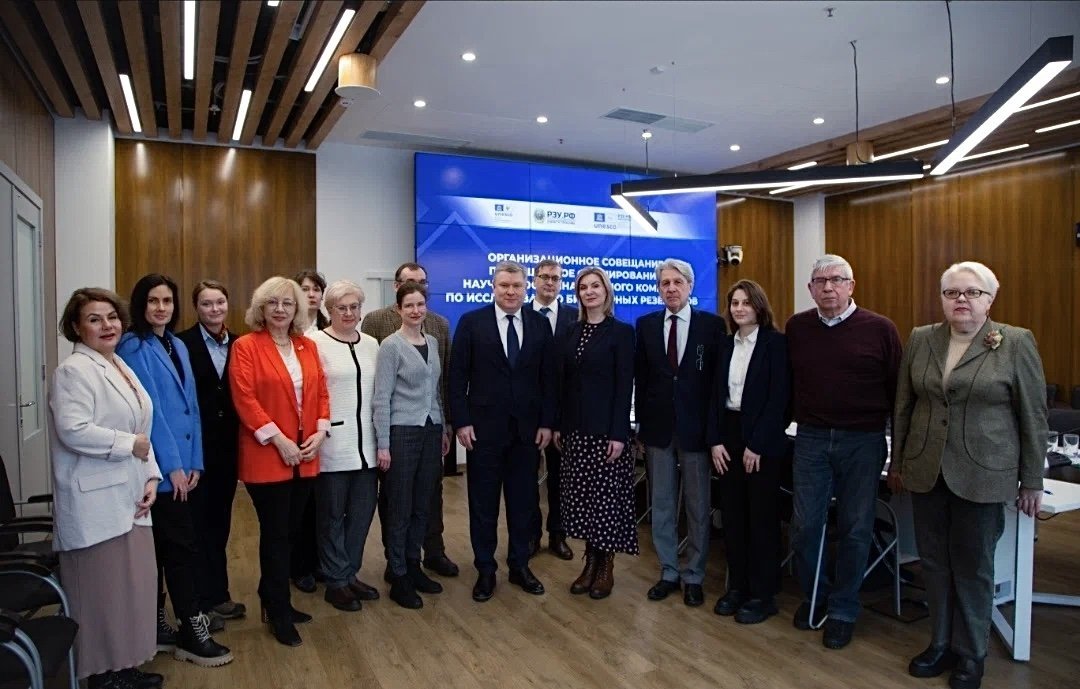
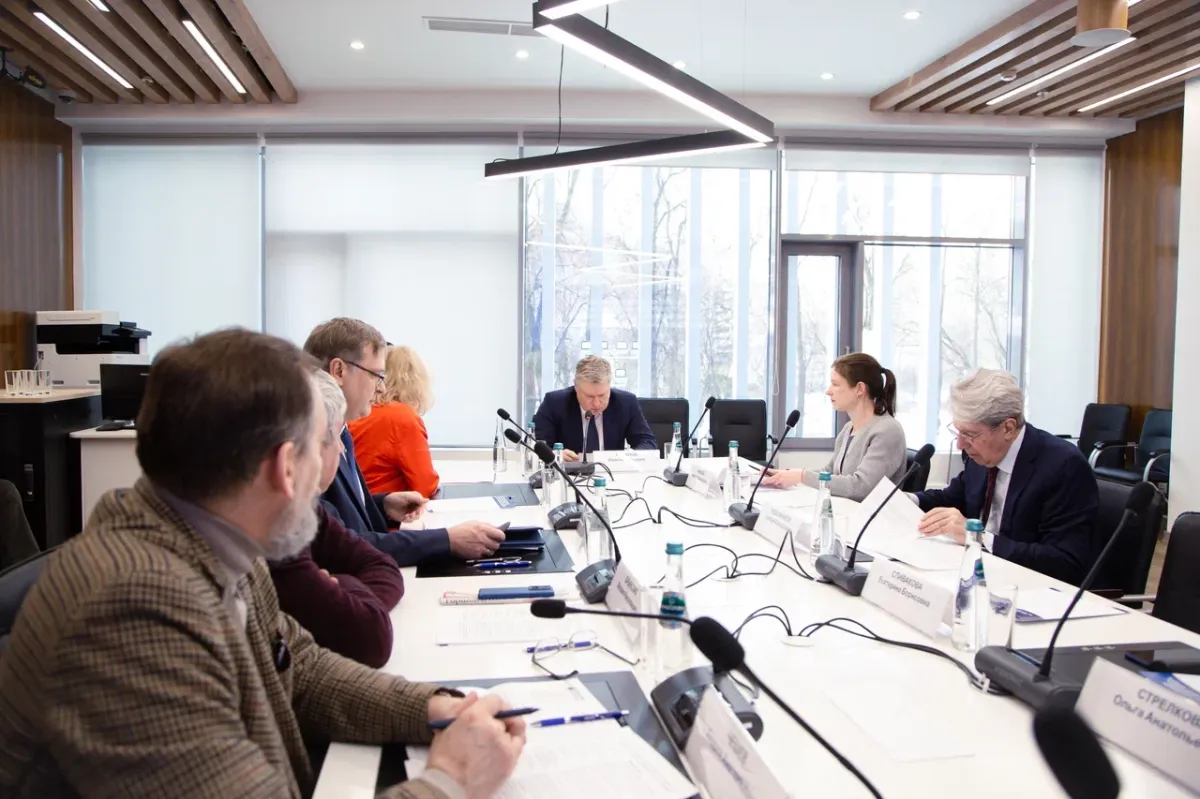
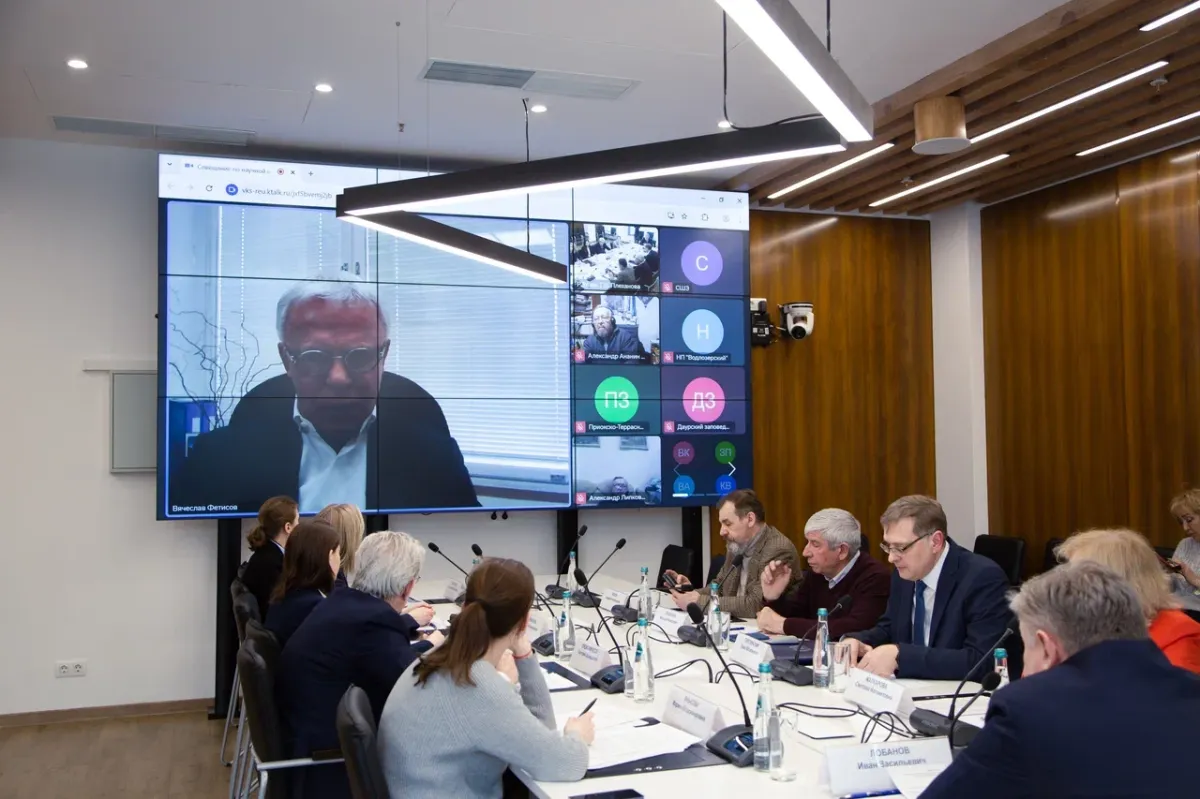
A landmark meeting was held at Plekhanov Russian University of Economics to discuss the formation of a scientific coordinating committee dedicated to the study of Russian biosphere reserves.
Biosphere reserves are specially protected natural areas with international conservation status recognized by UNESCO. Today, these sites are essential for the conservation of biological diversity and sustainable environmental development.
Opening the meeting, Dr. Ivan Lobanov, Rector of Plekhanov Russian University of Economics, Head of the Coordination Committee of the UNESCO Chairs, Head of the “Socio-Economic Models of Biosphere Reserves” UNESCO Chair emphasized that biosphere reserves are valuable as "living laboratories" that enable the study of harmonious coexistence between humans and nature. The rector highlighted that research on biosphere reserves contributes to the development of sustainable territorial strategies while identifying the human impact on the environment. He also emphasized the intensive activities of the University within the UNESCO framework and the strong interest of the UNESCO Secretariat in expanding Russia’s participation in international environmental initiatives.
Dr. Ivan Lobanov, Rector of Plekhanov Russian University of Economics and Head of the Coordination Committee of the UNESCO Chairs said: “Our country possesses a vast territory with a unique diversity of ecosystems and climate zones, each of which requires an individual approach to be preserved and used in a sustainable way. The creation of a centralized structure will allow us to accumulate knowledge and experience from many years of on-site observation and research. Russia's participation in UNESCO's Man and the Biosphere Programme underscores our desire to assist in resolving global environmental issues. Thus, the new coordinating body will serve as a link between the Russian scientific community, Russia’s biosphere reserves, and the global environmental movement, significantly enhancing the prestige of Russian science on the international stage and expanding its international communication channels."
Pavel Terelyansky, Co-Director of Plekhanov University’s UNESCO Chair, presented the results and prospects of the work conducted by the “Socio-Economic Models of Biosphere Reserves” UNESCO Chair, which was established on 20 February 2025, following the decision of the UNITWIN network. The main focus of the Chair is to organise comprehensive interdisciplinary research on issues related to the socio-economic integration of biosphere reserves, improving living standards, empowering local communities and indigenous peoples, as well as supporting interdisciplinary research on biosphere reserves at a regional, national and global level. The Chair’s objective is to develop a new assessment index for biosphere reserves. The speaker noted that biosphere reserves are complex entities subject to human influence and intensive economic activity. Thus, the Chair takes an interdisciplinary approach, conducting comprehensive research that includes infrastructure, economics, the biosphere and environmental protection, which helps to achieve sustainable development goals.
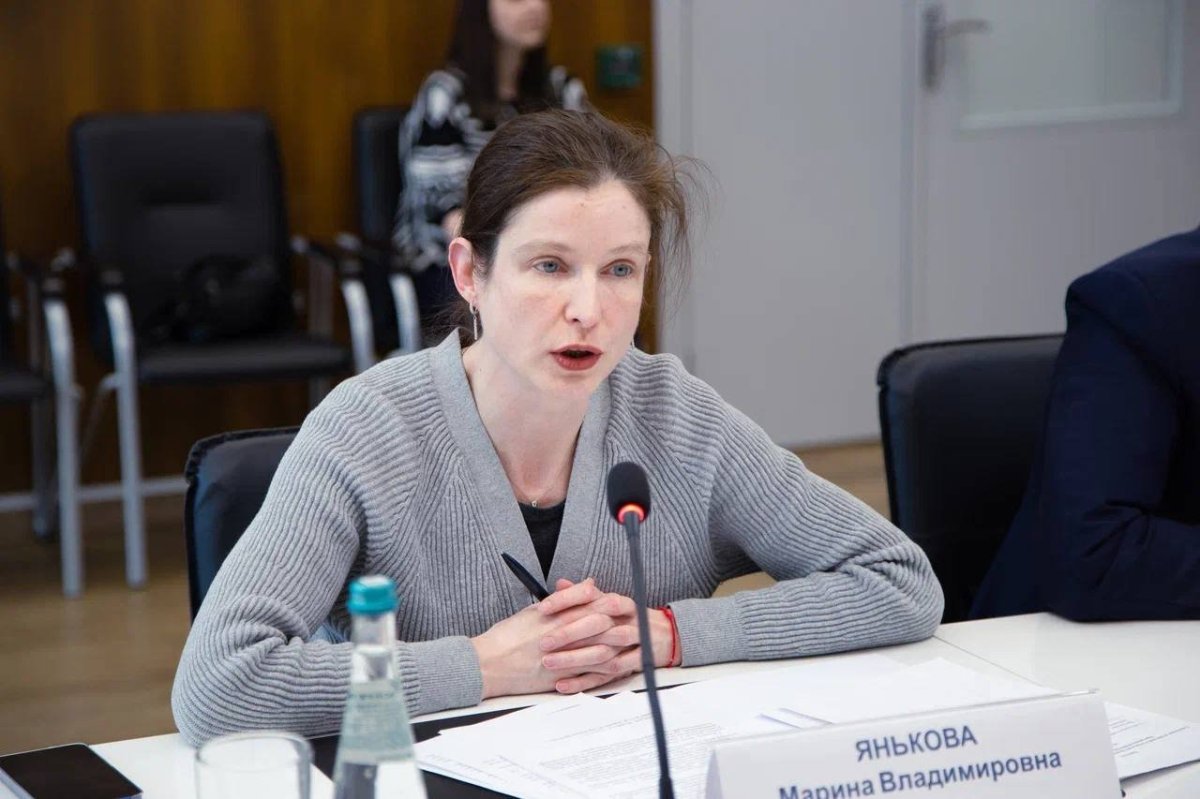
Marina Yankova, Senior Advisor at the Department for Multilateral Humanitarian Cooperation and Cultural Relations, Russian Ministry of Foreign Affairs, proposed establishing a scientific committee based on the “Socio-Economic Models of Biosphere Reserves” UNESCO Chair so that the newly formed committee would be open to a broad spectrum of participants such as government agencies, non-governmental organizations and the scientific community. The committee shall aim to coordinate scientific research, formulate principles for sustainable natural resource use, and boost cooperation between the authorities and the public for nature conservation. The future committee's key tasks include monitoring the state of ecosystems and developing recommendations for the effective management of biosphere reserves. In addition, plans are in place to set up international cooperation and share Russia's experience at the UNESCO “Man and the Biosphere” International Coordinating Council. Experience shows that such a collaborative approach has already proven its effectiveness by attracting more participants to the committee's work,” noted Marina Yankova.
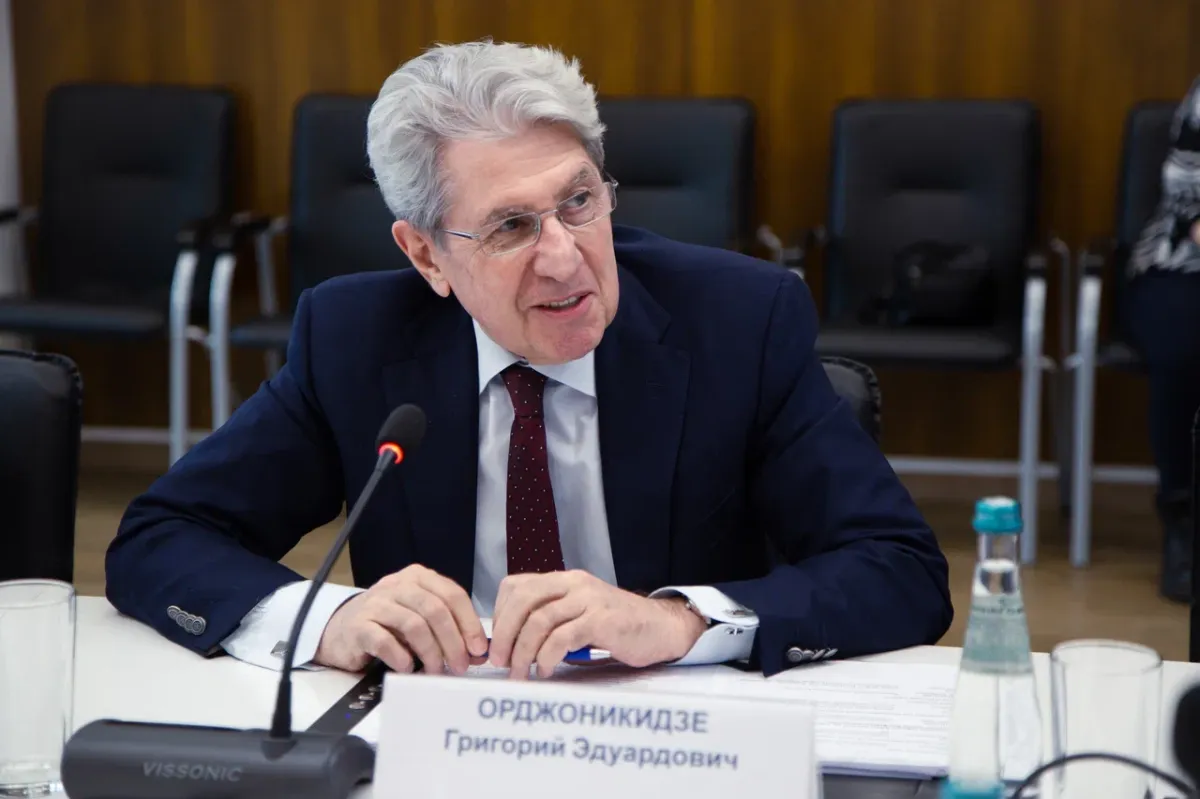
Grigory Ordzhonikidze, Ambassador-at-Large of the Ministry of Foreign Affairs of the Russian Federation expressed his gratitude to Plekhanov University for its attention to environmental issues. He also noted the need to coordinate research related to UNESCO biosphere reserves in Russia and to enhance cooperation between government agencies and non-governmental organizations to promote nature conservation and sustainable development. The Ambassador highlighted the importance of international cooperation within UNESCO's “Man and the Biosphere” programme.
Vyacheslav Fetisov, First Deputy Chair, State Duma Committee on Ecology, Natural Resources and Environmental Protection expressed his support for the idea of establishing a scientific committee, noting its significance for the development of effective national policies in the field of nature conservation and sustainable development. He emphasised that the creation of such a committee would be highly instrumental in integrating research on Russian biosphere reserves into UNESCO's international programmes and would strengthen the influence of Russian science on the global environmental agenda.
In closing, Ivan Lobanov, Rector of Plekhanov Russian University of Economics, thanked the participants for their productive efforts and reaffirmed the University’s readiness to serve as a global platform for advancing environmental research, including through its international branches.
The meeting was also attended by Dr. Svetlana Malkarova, Director of Plekhanov University in Dubai; Ekaterina Spivakova, Deputy Head of the Department for Analysis of Biological Diversity in Protected Areas of Russia, Ministry of Natural Resources and Environment of the Russian Federation; Olga Strelkova, member of the State Council Commission on Ecological Well-being and Scientific Expert Council of the All-Russian Society for Nature Conservation; Andrey Cheshev, Deputy General Director of the Vernadsky Nongovernmental Environmental Foundation; Mikhail Brynskikh, expert at Prioksko-Terrasny Nature Biosphere Reserve; Anastasiya Barsukova, Head of the Development Department of the Komandorsky State Nature Reserve named after S.V. Marakov, as well as 28 leaders of Russian biosphere reserves.
To establish the scientific coordination committee, the resolutions of the meeting will be sent to the Minister of Foreign Affairs of the Russian Federation and Chairman of the Russian Federation Commission for UNESCO Sergey Lavrov, as well as to the Minister of Natural Resources and Environment of the Russian Federation, Alexander Kozlov.