

September 29, 2026
Ecology, the Caribbean and UNESCO Heritage: Outcomes of Russian Scholars' International Participation in the Baikal Congress.
Professor Pavel Terelyansky, co-head of the UNESCO Chair "Socio-Economic Models of Biosphere Reserves", presented a report on the institutional integration of biosphere reserves at the II Agrarian and Environmental Forum of Russia and the Caribbean Countries, held as part of the Baikal International Environmental Congress in Irkutsk.
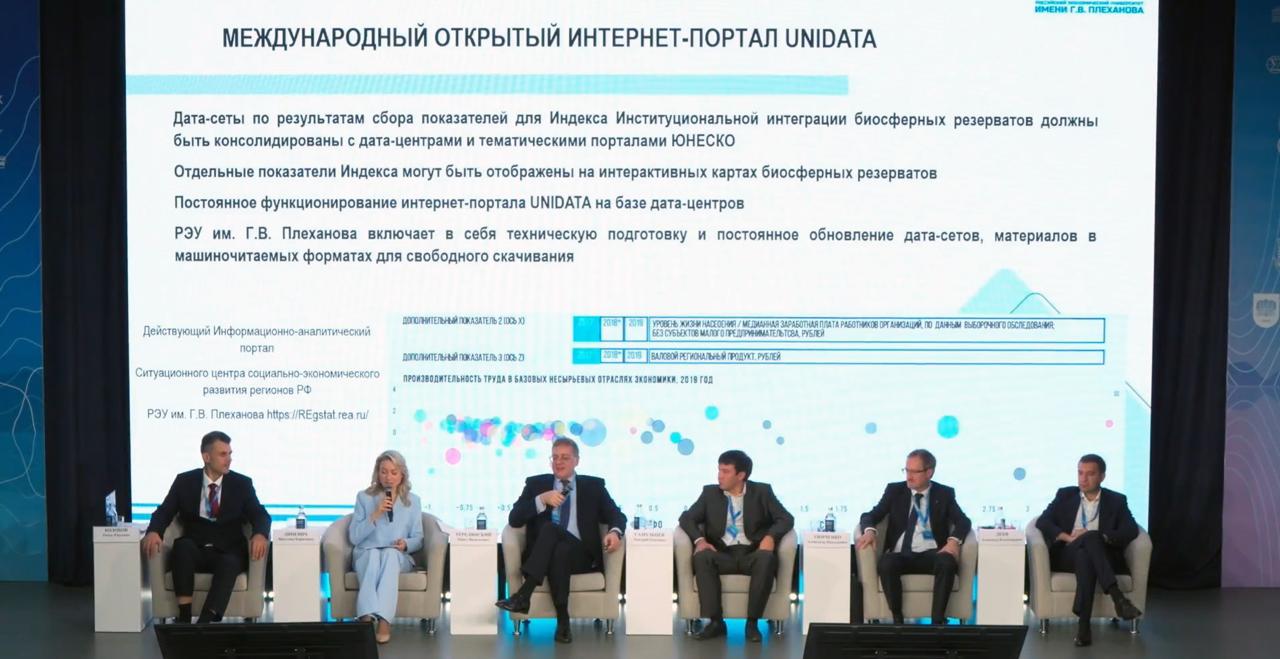
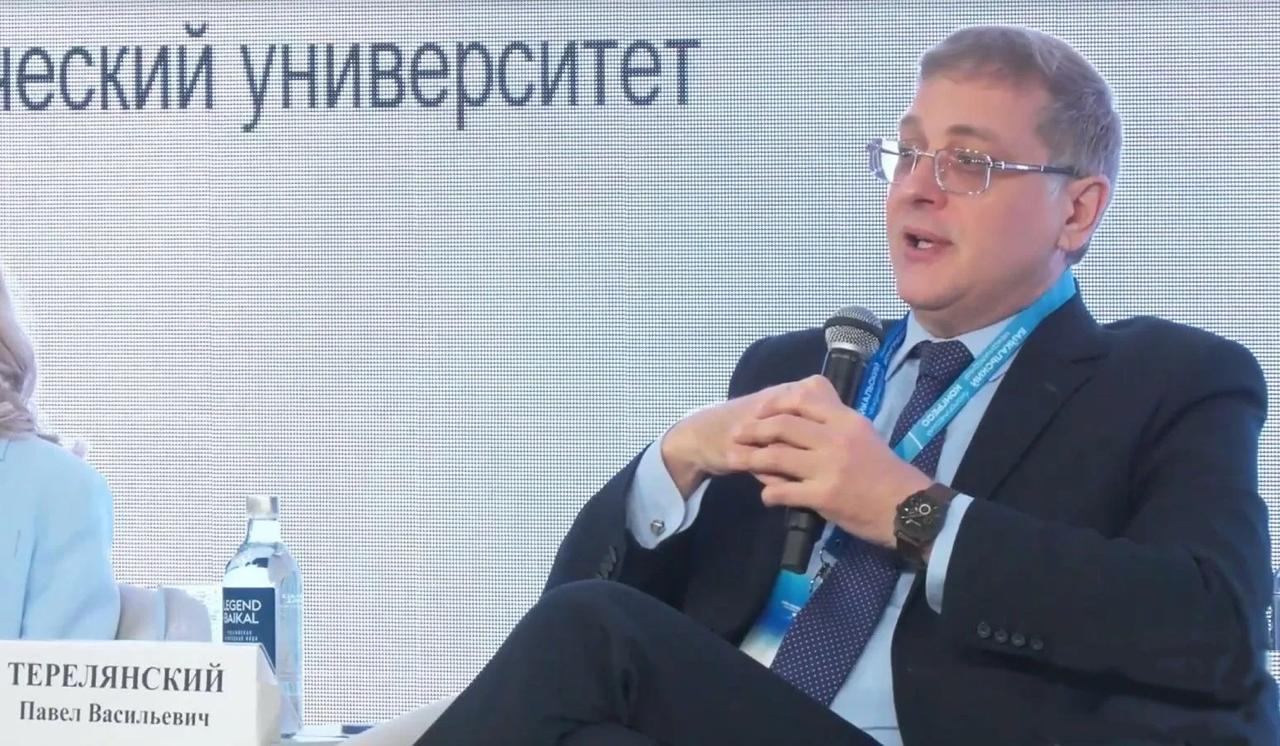
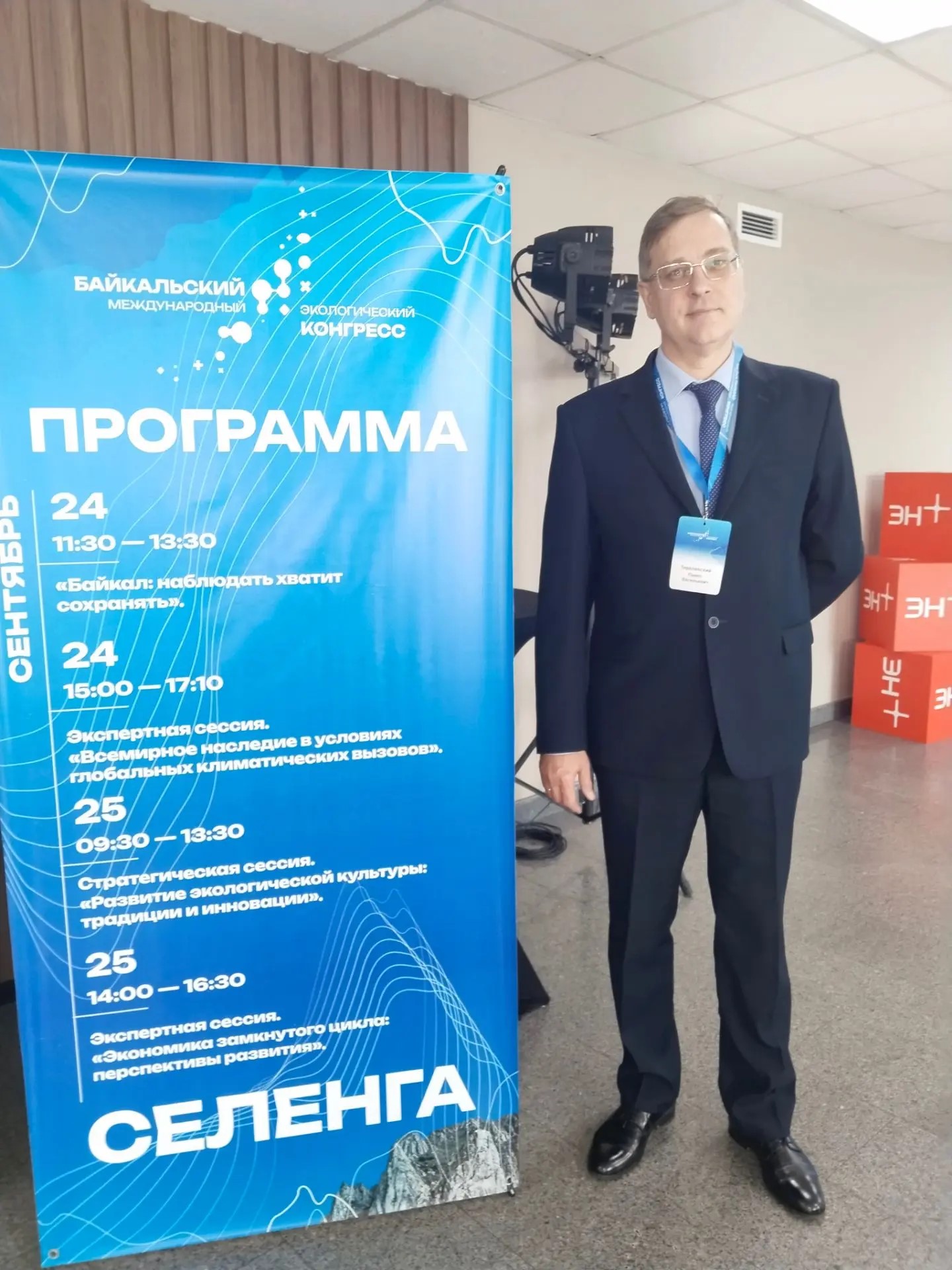
As part of the business programme of the Baikal International Environmental Congress, Professor Pavel Vasilyevich Terelyansky, co-head of the UNESCO Chair "Socio-Economic Models of Biosphere Reserves", took part in key international discussions.
The centrepiece of the international agenda was the plenary session of the II Agrarian and Environmental Forum of Russia and the Caribbean Countries, "Integrated Development in Agriculture and Environmental Protection". In his presentation on "Institutional Integration of Biosphere Reserves", Professor Terelyansky outlined mechanisms for aligning conservation objectives with the socio-economic development of territories. Particular attention was given to building cross-border governance models that bring together the efforts of administrations, the scientific community and business. The plenary session was moderated by Ya.B. Ditsevich, Programme Director of the Baikal International Environmental Congress and research fellow at the UNESCO Chair in Water Resources at Irkutsk State University, and A.A. Sazonov, Second Secretary of the Embassy of the Russian Federation in the Republic of Guatemala.
In addition to his academic presentation, Prof. Terelyansky delivered a letter of greeting to the Organising Committee of the Baikal International Environmental Congress from Ivan Vasilyevich Lobanov, Rector of Plekhanov Russian University of Economics, Head of the Coordination Committee of UNESCO Chairs under the Commission of the Russian Federation for UNESCO, and Head of the UNESCO Chair "Socio-Economic Models of Biosphere Reserves". The letter emphasised the importance of integrating sustainable development principles into international environmental programmes and expressed the readiness of Russian UNESCO Chairs to share their expertise in modelling biosphere processes.
Leading international experts also joined the discussion during the forum, and their experience provided a valuable complement to the Russian agenda. Among them were Luis Adrián García, Deputy Chair of the CIRCAL Global Office (Argentina); Juan Carlos Peyeser Agustín, Mayor (Alcalde) of the Municipality of San Juan Sacatepéquez (Guatemala); Diego Mario Cuadros Ramírez, Director of the Environmental Engineering programme at Universidad Continental (Arequipa campus, Peru); and Ana Mercedes López Quin, representative of the Amatitlán Alliance (Guatemala), who addressed the protection of Indigenous peoples' rights in the implementation of large infrastructure projects, along with other scholars and public figures.